Curious about what equine therapy looks like in practice?
Reach out and we'll walk you through it.
The horse offers an immediate, honest response to what is happening in the moment. They don't judge, analyze, or ask you to explain yourself. They only respond to what they are experiencing from you. And sometimes, the most meaningful moments aren't the ones where something big happens. Sometimes it is the quiet moment when a horse chooses to be by your side. The moment you realize you can set a boundary and still remain connected. The moment you take a breath instead of reacting. The moment you feel safe enough to show up as you are.
This is where the therapy happens — in the experience, in the relationship, in the noticing, and in the space between you, the horse, and your therapist.
Working with Horses
Reach out and we'll walk you through it.
Adventure therapy is facilitated by a licensed mental health professional and most often takes place in a natural outdoor setting. Unlike traditional talk therapy, adventure therapy provides an opportunity for you to actively participate in and experience your therapeutic process. What emerges in the field can be brought back into the therapeutic conversation and woven into meaningful insight and change.
Adventure Therapy is available as a standalone offering or woven into your ongoing therapeutic work.
Traditionally, couples work with one therapist who helps both partners navigate those challenges. That can be helpful — but we have found another approach that offers something different: two therapists working as a team, with one therapist dedicated to each partner.This allows each person to have someone on their side who knows them individually — their history, their experiences, their patterns, and the places where they may struggle — while also having both therapists present to help the couple work together.
Why does that matter? Even with a highly skilled and thoughtful couples therapist, it can be difficult for one person to remain equally attuned to two different histories, emotional realities, and experiences of the relationship at the same time. Our two-therapist model is intentionally designed to reduce that dynamic. With each partner having a therapist who already understands their individual story — and both therapists equally invested in the health of the relationship — neither person has to compete to be understood or fear that the therapeutic space has subtly taken a side.You and your partner begin together with both therapists, identifying the challenges you're facing and what you hope will be different at the end of your therapeutic journey. You then spend time individually with your individual therapist, creating space to understand your personal experiences and the patterns that may be affecting your relationship. Then you come back together — with both therapists present — where the work becomes an opportunity to see those patterns as they happen, be seen, supported, and challenged without feeling like you have to defend yourselves or worry about whose side the therapist is on.With this approach, you don't have to choose between working on yourself and working on your relationship. You get to do both.
Interested in learning more about our couples approach? We're happy to answer your questions.
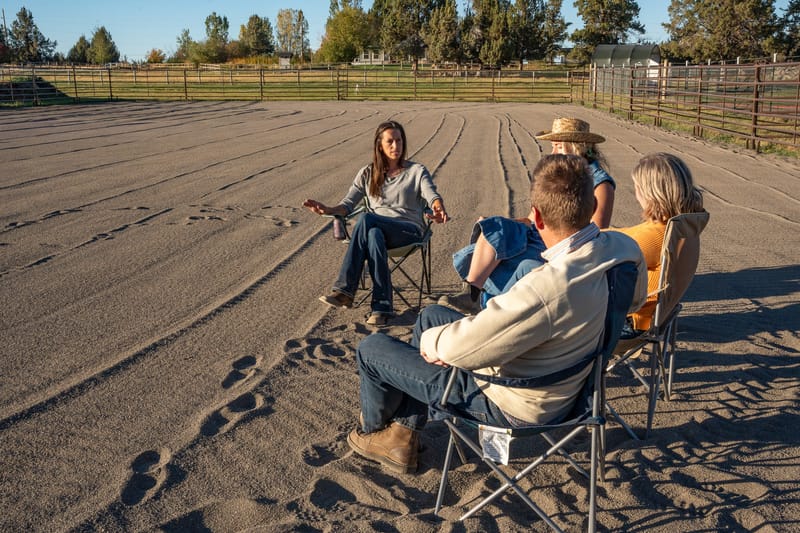
There is something powerful about doing this work alongside others. You may discover that an experience you thought was yours alone is shared by someone else. You may see yourself in another person's story, learn something through their perspective, or simply experience what it feels like to be witnessed without judgment. Sometimes healing begins with realizing you don't have to carry everything by yourself.
Intensives
Therapeutic Intensives
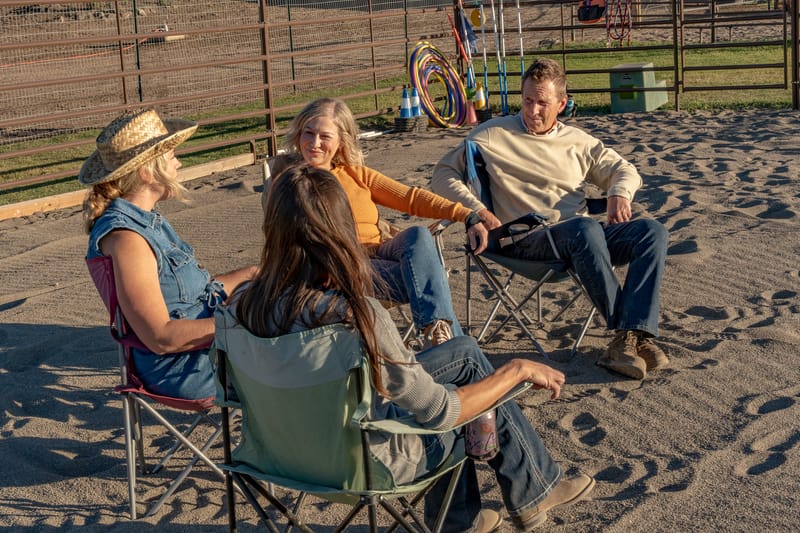
Sometimes an hour a week isn't enough time to fully explore what you are working through. A Therapeutic Intensive offers a more concentrated experience, giving you more dedicated time to slow down, go deeper, and stay with the work without having to stop just as something meaningful begins to emerge. Rather than spreading the work across multiple weekly sessions, an intensive creates a larger window of time to explore what is happening, experience it in real time, and begin to understand yourself, your relationships, or your circumstances in a new way. It creates space not just to talk about what you want to change, but to experience, practice, and begin moving toward that change. Intensives can be a good fit for individuals, couples, families, and groups. An intensive may be especially meaningful if you are at a crossroads, feeling stuck in patterns that are hard to change, working through a significant relationship challenge, or wanting a deeper or more experiential approach to therapy. You do not have to be in crisis to benefit from an intensive. Sometimes there is something important in your life that deserves more time, attention, and space than a typical weekly session allows.
Private Group Experiences & Intensives
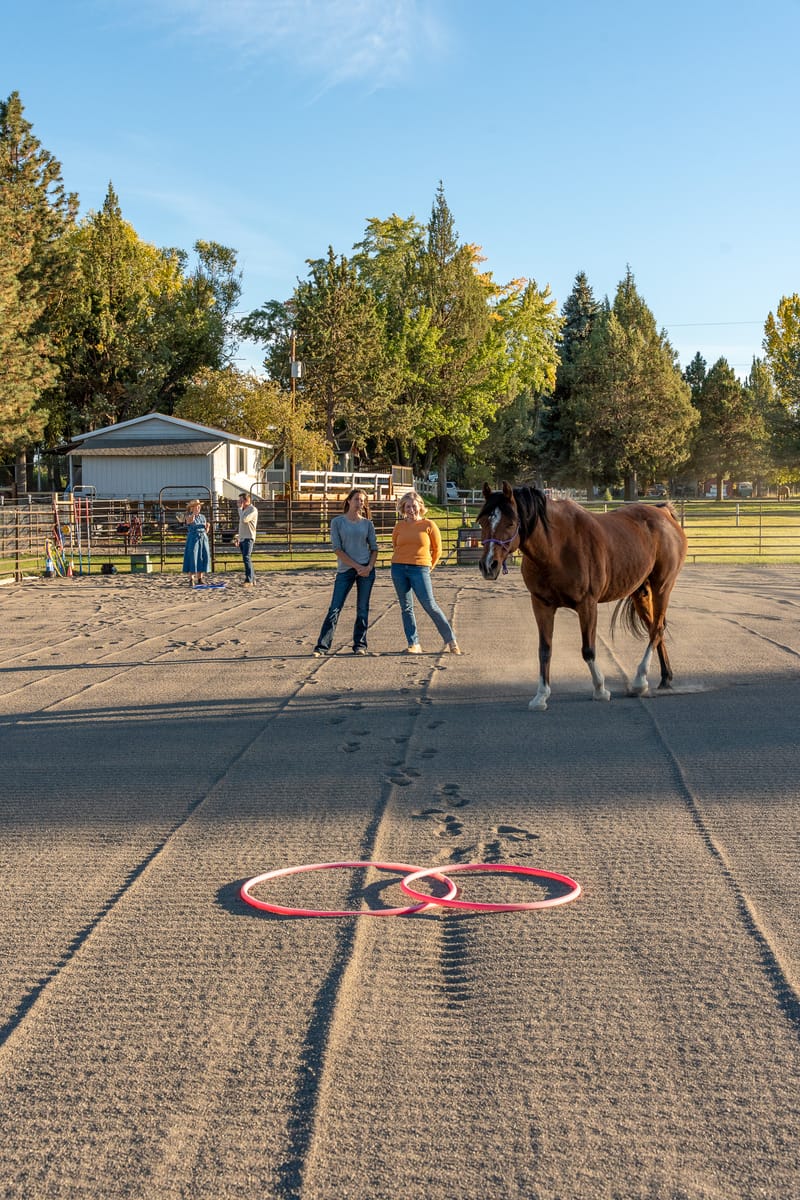
Mustang Magic also offers private group therapy and intensive experiences for organizations, companies, schools, and community groups. These gatherings can be thoughtfully designed around the needs, goals, and dynamics of your group. Depending on what you're hoping to create, a private experience may incorporate equine therapy, experiential or adventure-based activities, mindfulness, therapeutic reflection, communication and relationship-building, or intentional time together with the horses. Whether you are looking for a therapeutic group experience, a meaningful team gathering, or a unique opportunity for your community to connect, we can create an experience with the horses that meets your group where they are.
- Natural Lifemanship Equine-Assisted Psychotherapy — A trauma-focused approach centered on the relationship between you and the horse
- Brainspotting — An experiential, somatic approach that uses your field of vision to help you process difficult memories or experiences
- Reality Therapy — Focuses on the choices you are making and whether those choices are helping you move toward the life and relationships you want
- Motivational Interviewing — A collaborative approach that helps you explore your own reasons for change when part of you wants to change and another part feels uncertain or stuck
- Dialectical Behavior Therapy (DBT)
- Art Therapy
- Cognitive Behavior Therapy (CBT)
- Trauma-Focused Cognitive Behavior Therapy (TF-CBT)
- Narrative Therapy